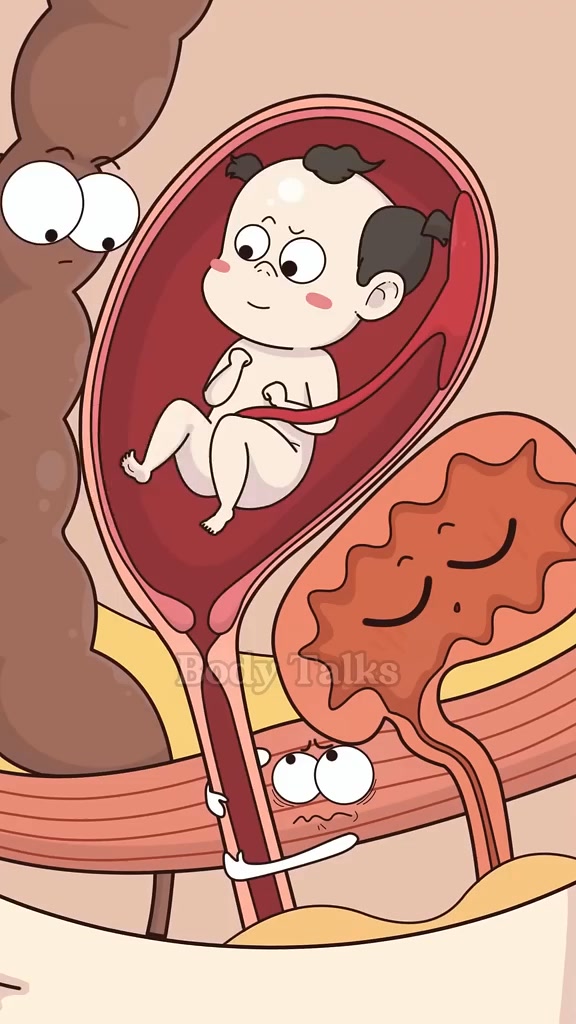
The Impact Of Hormone Treatment On Urinary Incontinence
This, subsequently, makes the leakage of pee more likely throughout activities like coughing, sneezing, laughing, or exercising. Still, without some sort of treatment-- whether that's way of life adjustments, pelvic Behavioral therapy floor therapy, or medical support-- urinary incontinence normally doesn't improve its own. With the best assistance, you can enhance symptoms and protect your long-term bladder wellness. You can do this by enhancing the quantity your bladder can hold and the time between brows through to pass urine. To train your bladder, you need to consistently get pelvic floor muscle mass (Kegel) at the time of need to pee. While urinary incontinence is a common problem, it's not one that should be taken into consideration regular.For light instances of urinary system incontinence, you can try workouts that enhance your pelvic flooring muscles, and you can also attempt bladder training to reclaim control of your bladder. Those suffering from extreme urinary system incontinence might need drugs, medical devices, or surgical treatment. Normal pelvic flooring workouts, typically called Kegels, can assist strengthen the pelvic flooring muscle mass that support the bladder and urethra.
Injuries and aging can likewise lead to weakness or injury to pelvic floor muscles. These modifications can bring about urinary symptoms like dripping pee or urge urinary incontinence. It additionally assists keep your bladder and urethra healthy and working effectively. They might no more have the ability to regulate your bladder as they did before. As your estrogen degrees remain to drop throughout and after menopause, your UI symptoms might worsen.
As a matter of fact, 40-57% of postmenopasual ladies have symptoms of vaginal degeneration, and on the urinary system incontinence side, greater than 50% of older ladies experience it. Pelvic flooring workouts, bladder training, remaining hydrated, and preserving a healthy and balanced weight can aid. Stay clear of bladder toxic irritants and talk with your doctor regarding treatment options.
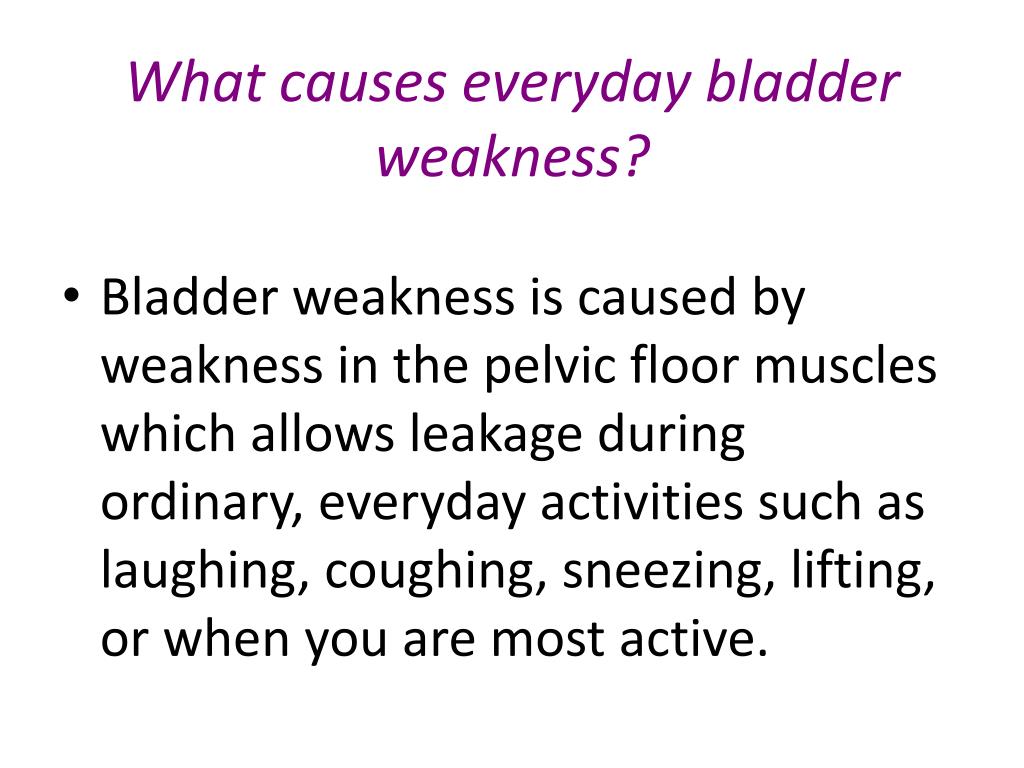
Estrogen likewise plays a pretty large role in urinary system system health and wellness and feature. Urinary system urinary incontinence can manifest in different kinds during menopause, including stress and anxiety urinary system incontinence, necessity urinary incontinence, or mixed urinary incontinence as one of the most usual. Reducing estrogen degrees are Bladder control responsible for essentially every one of those not-so-fun perimenopause and postmenopause symptoms-- including adjustments to our bladder. In menopause, women's ovaries stop producing estrogen, therefore weakening their body's natural defenses versus UTIs. Urinary system incontinence, or uncontrolled bladder leak, is a trouble that affects numerous Americans. While it may occur to anybody, this form of urinary incontinence is most common in older adults, and ladies are more probable to experience it than guys.
- A digital data source search was performed to determine pertinent English-language scholarly articles analyzing the influence of menopause on UI.These emotional impacts can bring about diminished self-confidence and unwillingness to engage in social or exercises.You can speak to your healthcare provider regarding which surgical procedures are offered for women experiencing UI during perimenopause.It may take a month or longer for various therapies to start working.
Maintain A Healthy And Balanced Weight
Her job showed an eager recognition of health and wellness issues, particularly those pertaining to urinary incontinence. Perimenopause is a transition time that every lady will certainly experience in their life, from reproductive years to menopause. Perimenopause can start prior to your last duration ends, typically in between the late 30s and 50s.Hormone Adjustments And Urinary System Incontinence In Females